 Chat With UsChat With Us
By Mir Moomin • 9 March 2026
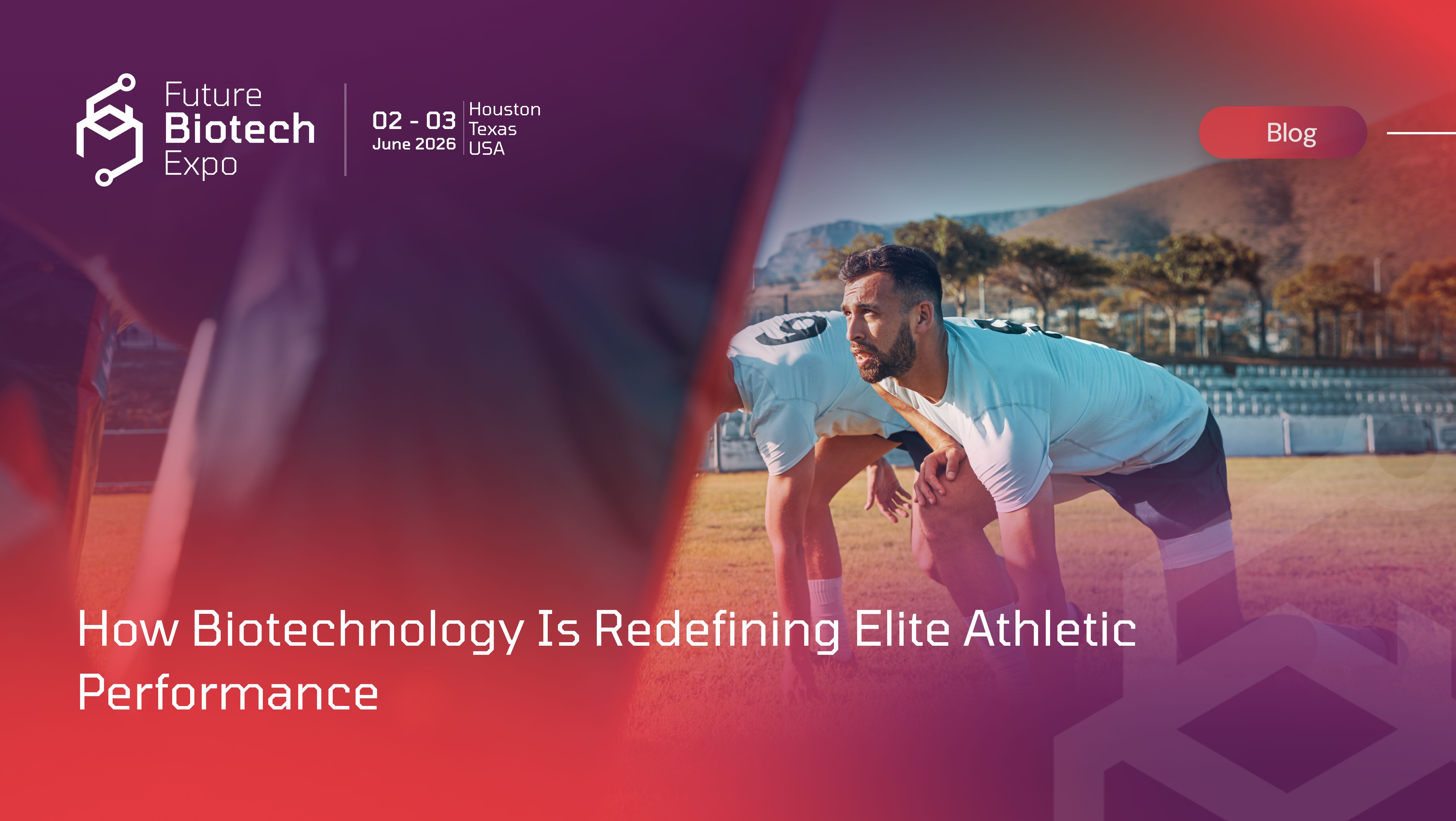
Elite athletes operate at the limits of human capability. In professional leagues like the National Football League, where teams such as the Dallas Cowboys compete at the highest level, marginal gains can determine outcomes. A fraction of a second in speed, slightly faster recovery after injury, or improved endurance during the final minutes of a game can change a season. As a result, sports organizations are increasingly turning to biotechnology to push performance beyond traditional training methods.
For decades, athletic improvement depended primarily on physical conditioning, coaching strategies, and experience. Today, biotechnology is reshaping that model. Advances in genomics allow scientists and trainers to analyze how an athlete’s genetic profile influences muscle development, recovery speed, and susceptibility to certain injuries. This information helps teams design personalized training and recovery plans tailored to an athlete’s biological strengths and limitations.
Biometric monitoring is another area transforming modern sports. Wearable sensors now track heart rate variability, oxygen levels, sleep quality, hydration, and muscle fatigue in real time. Instead of relying solely on observation or athlete feedback, teams can monitor physiological signals continuously. These insights help coaches adjust workloads, prevent overtraining, and reduce the risk of injury during intense training cycles.
Regenerative medicine is also playing an increasingly important role in athlete recovery. Treatments such as platelet-rich plasma (PRP) therapy and stem cell–based approaches are being explored to accelerate tissue repair and reduce recovery times after muscle or ligament injuries. While some therapies are still being studied, many teams are investing heavily in medical innovation to keep players healthy and extend their competitive careers.
Data analytics connects all these technologies together. Modern sports organizations collect vast amounts of performance data, from biomechanics during movement to metabolic responses during training. Advanced algorithms can identify patterns that humans might overlook, helping sports scientists predict fatigue levels, optimize training loads, and design more effective recovery protocols.
However, the growing role of biotechnology in sports also raises important ethical and regulatory questions. Where should the line be drawn between performance enhancement and unfair advantage? Sports governing bodies continue to evaluate emerging technologies to ensure fair competition while allowing innovation to support athlete health and safety.
Despite these debates, one thing is clear. Biotechnology is rapidly transforming the world of elite sports. The future of athletic performance will not be shaped only on the field or in the gym, but increasingly in laboratories where science, medicine, and data intersect. For athletes competing at the highest level, the next breakthrough in performance may come not from harder training alone, but from smarter science.